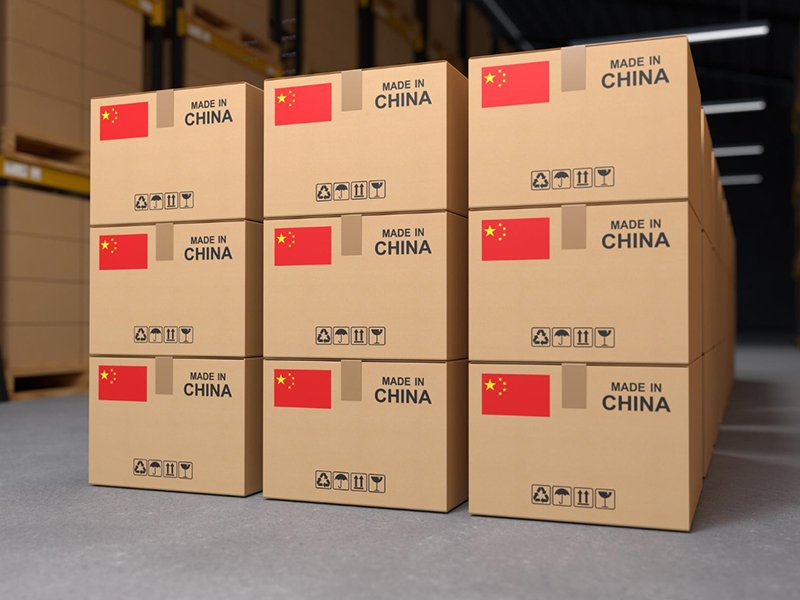
How to find reliable suppliers, avoid costly mistakes, and scale your eCommerce brand in China. However, sourcing from China in 2026 looks very different than it did a decade ago. Ten years ago, you could send a few emails on Alibaba, pick the cheapest factory, and receive acceptable products. Those days are gone. Rising labor costs, stricter environmental regulations, supply chain disruptions, and a more competitive global market mean that careless sourcing now leads to disaster. But China remains the world’s manufacturing powerhouse. With the right strategy, you can still source high‑quality products at competitive prices, build a resilient supply chain, and grow your brand. This guide walks you through every step – from supplier research to quality control and long‑term partnership management.
Why 2026 Demands a New Sourcing Mindset Before diving into tactics, understand the major shifts: Factory consolidation – Many small, low‑quality factories have closed. Surviving factories are larger, more professional, and less willing to negotiate on tiny orders. Compliance costs – Environmental and labor laws have raised production costs. Cheap often means illegal. Diversification pressure – Brands are splitting orders between China and Southeast Asia, but China still wins on speed, infrastructure, and vertical integration. Digital transparency – Platforms like Alibaba now require verified licenses, on‑site audits, and trade assurance. Fakes are easier to spot. In 2026, successful sourcing is not about finding the lowest price – it is about finding the right partner and managing risk.
Step 1: Define Your Product Requirements Before You Search Most sourcing failures start with vague specifications. Chinese suppliers work best when you provide clear, written details. Create a product specification sheet including: Materials (with grade, density, or origin if relevant) Dimensions and tolerances (e.g., ±2mm) Colors (Pantone numbers) Packaging requirements (inner and outer) Labeling and branding (logo placement, size, material) Quantity per carton and carton dimensions Required certifications (CE, FCC, RoHS, FDA, etc.) Also decide your MOQ (Minimum Order Quantity) and target price (FOB or EXW). Be realistic – extremely low prices usually mean poor quality or hidden fees.
Step 2: Find Potential Suppliers – Where to Look in 2026 Do not rely on a single source. Use multiple channels: Alibaba.com – Still the largest B2B platform. Filter by “Trade Assurance,” “Verified Supplier,” and “On‑site Check.” Look for suppliers with at least 3 years of Gold Supplier status. Avoid those with only a few transactions. 1688.com – The Chinese domestic version of Alibaba. Prices are often 20–40% lower, but you will need a sourcing agent to handle communication, payment, and consolidation. SophieSourcing can help you navigate 1688. Global Sources – More curated than Alibaba, especially for electronics, hardware, and gifts. Suppliers here tend to be mid‑to‑large factories. Canton Fair (and other trade shows) – The Canton Fair (April and October) remains the best place to meet suppliers face‑to‑face. In 2026, many fairs also offer virtual attendance. Prepare business cards and a list of questions. Industry‑specific exhibitions – For furniture, toys, baby products, etc., specialized shows in Shanghai, Guangzhou, or Shenzhen attract higher‑quality vendors. Sourcing agents and local partners – A trusted agent like SophieSourcing does the vetting for you. We visit factories, check credentials, and negotiate terms. This saves you months of trial and error.
Step 3: Vetting Suppliers – The 5 Critical Checks Once you have a list of 5–10 candidates, do not trust their online profile. Run these checks: 3.1 Business License and Factory Ownership Request a copy of their business license (营业执照). Check that the company name matches their Alibaba store. Use tools like Qichacha or Tianyancha to verify legal standing. If they are a trading company, ask for the actual factory name and visit that factory. 3.2 On‑Site Audit or Video Tour In 2026, most suppliers accept video calls. Schedule a live tour of the production floor, warehouse, and quality control area. Look for: clean, organized workspace; workers wearing safety gear; working machines (not rusted or idle); raw material storage (to see if they stock what they claim). If they refuse a video tour, cross them off. 3.3 Certificates and Compliance Ask for ISO, BSCI, or other relevant certificates. Verify the certificate number with the issuing body. Many factories use expired or fake certificates. 3.4 Client References Request 2–3 references from existing customers, preferably in your industry. Contact them. Ask about on‑time delivery, quality consistency, and problem resolution. 3.5 Sample Order Never skip samples. Order at least 5–10 pieces. Test them thoroughly – function, durability, packaging, and labeling. Check if the factory uses the same materials as promised. If samples fail, move on.
Step 4: Negotiation and Payment Terms That Protect You Chinese suppliers expect negotiation, but it is a relationship, not a battle. Key tips: Start with a reasonable target price based on your market research. Discuss MOQ flexibility – many factories accept lower MOQs for trial orders (10–20% above their standard). Payment terms: 30% deposit, 70% balance against copy of Bill of Lading (or after inspection). Avoid 100% upfront. Use a written contract (in English and Chinese). Include specifications, delivery date, penalty for delay, and quality standards. Payment methods: T/T (wire transfer) – standard. Use a separate bank account for deposits. Letter of Credit – for large orders (over $50,000). Escrow services – Alibaba Trade Assurance offers some protection, but claims can be slow.
Step 5: Quality Control – The Non‑Negotiable Layer Even with a great supplier, quality can vary batch to batch. Implement three inspection points: Pre‑production inspection (PPI): Check raw materials and component quality before mass production starts. This catches issues early. During production inspection (DPI): Visit the factory or hire a third‑party inspector when 20–30% of the order is complete. Check workmanship, packaging, and labeling. Pre‑shipment inspection (PSI): When 100% of the order is packed and ready, randomly sample 10–20% of cartons. Verify quantity, appearance, function, and packaging. Reject any defective units. SophieSourcing provides all three levels of inspection. We also offer video reports and real‑time updates.
Step 6: Logistics – Get Your Goods from China to Your Warehouse After quality approval, arrange shipping. Your options: Sea freight (LCL or FCL) – best for large orders (over 2 cubic meters). Cheapest but slow (30–45 days to US/Europe). Air freight – faster (5–10 days), more expensive. Good for high‑value, low‑weight products. Rail freight (to Europe) – 18–25 days, cheaper than air, more stable than sea during peak seasons. Incoterms – Use FOB (Free on Board) for most orders. The supplier delivers to the Chinese port; you handle international shipping. For full control, use EXW (Ex Works) and let your freight forwarder pick up from the factory. Don’t forget customs clearance and duties. Work with a customs broker or ask your 3PL to manage it. SophieSourcing can arrange door‑to‑door delivery, including DDP (Delivered Duty Paid) for Europe and the US.
Step 7: Building Long‑Term Supplier Relationships The best sourcing strategy is to keep good suppliers loyal. After a successful first order: Pay on time, or even early. Provide clear feedback on what went well and what could improve. Send regular forecasts to help them plan production. Visit them in person once a year (or send a local representative). Introduce them to other non‑competing brands – they will value your trust. Good relationships lead to better pricing, priority during capacity crunches, and faster problem solving.
Common Sourcing Mistakes in 2026 (And How to Avoid Them) Here are the most frequent mistakes and how to avoid them: Choosing the lowest price → Consequence: poor quality, high return rate. Solution: get 3–5 quotes and compare value, not just price. No written specifications → Consequence: disputes over what was agreed. Solution: send a detailed product sheet with drawings. Skipping pre‑shipment inspection → Consequence: receiving defective goods. Solution: always do PSI, even for repeat orders. Ignoring intellectual property (IP) → Consequence: your design copied by other sellers. Solution: register trademarks in China and sign an NDA with the supplier. No backup supplier → Consequence: production halt if primary fails. Solution: qualify a second source for key products.
How SophieSourcing Helps You Source Smart in 2026 You do not need to become a China sourcing expert overnight. SophieSourcing acts as your local team on the ground: We find and vet suppliers on Alibaba, 1688, and trade shows. We negotiate pricing and payment terms on your behalf. We manage samples and all communications (English and Chinese). We perform multi‑stage quality inspections. We consolidate orders from different factories into one shipment. We arrange shipping, customs clearance, and last‑mile delivery. We even offer German warehouse fulfillment for fast European delivery. Our promise: No hidden fees, no surprises, and full transparency from first inquiry to final delivery.
Conclusion: Start Sourcing the Right Way in 2026 Sourcing from China in 2026 is more complex than a decade ago, but also more rewarding. The factories that remain are resilient, innovative, and hungry for long‑term partnerships. By following the steps in this guide – clear specs, thorough vetting, strict quality control, and relationship building – you can build a supply chain that gives you a competitive edge. Do not let fear of mistakes hold you back. Every successful importer started with one small, well‑managed order.
Need Help Sourcing from China? SophieSourcing is ready to be your partner. Contact us for a free consultation. Email: info@sophiesourcing.com WhatsApp: +86 18144833762 WeChat: sssggg6878 Website: www.sophiesourcing.com Send us your product idea or target specification, and we will reply within 24 hours with a plan and a transparent quote. Let us help you source smarter, faster, and safer in 2026.